A destination guests already want
The Serengeti and Ngorongoro sit on every incentive shortlist. That desire makes internal sell-in easier and post-trip advocacy stronger.
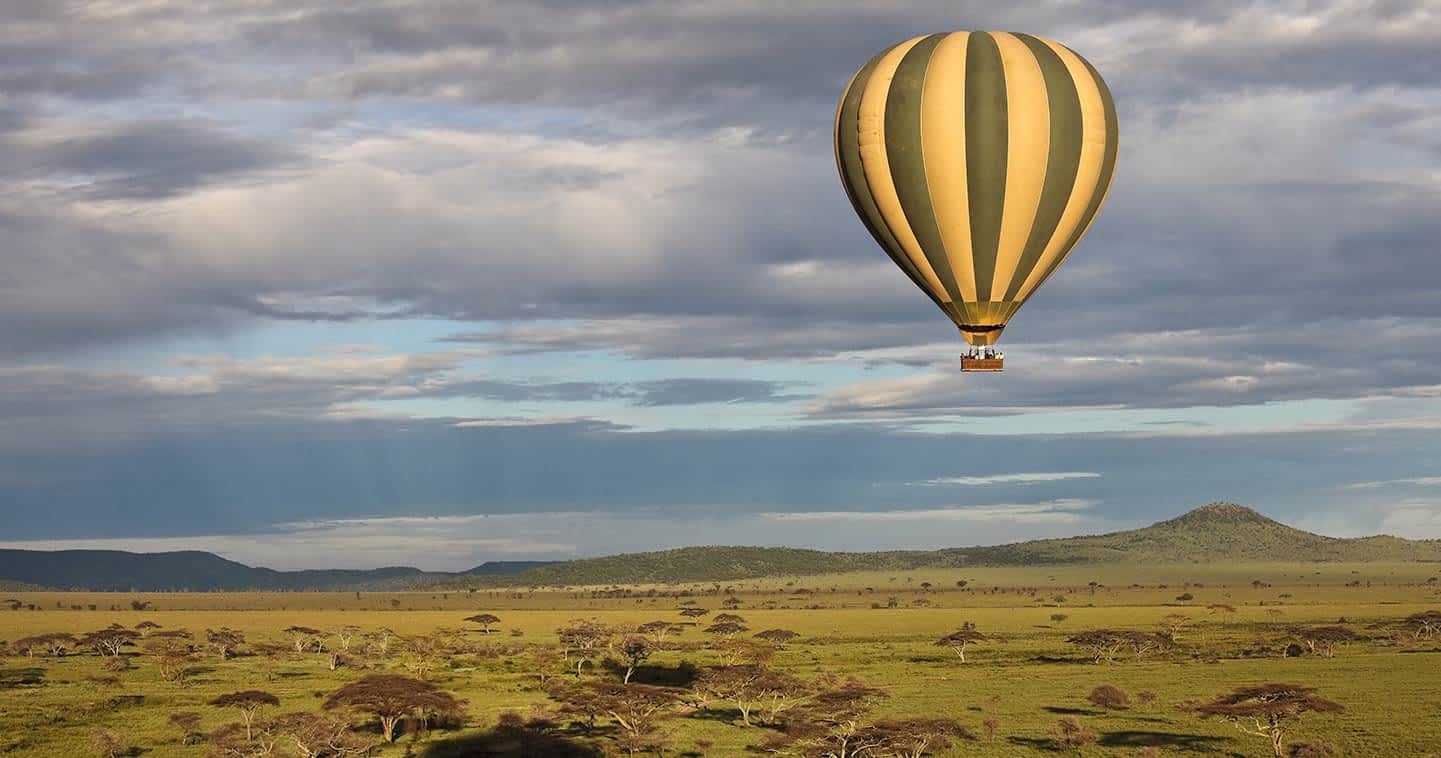
DMC Tanzania · Northern Circuit · Serengeti · Ngorongoro · Kilimanjaro
Safari incentives, wilderness galas and leadership retreats — the Serengeti as a MICE stage.
Tanzania is the destination we specify when the brief wants a safari incentive, a wilderness gala, a leadership retreat in the Serengeti, or a board meeting surrounded by landscape. The Northern Circuit — Arusha, Tarangire, Ngorongoro and the Serengeti — gives planners wildlife, lodge depth, and the operational capacity to move 20 or 200 guests with dignity.
Tanzania is the destination we specify when the brief wants a safari incentive, a wilderness gala, a leadership retreat in the Serengeti, or a board meeting surrounded by landscape. The Northern Circuit — Arusha, Tarangire, Ngorongoro and the Serengeti — gives planners wildlife, lodge depth, and the operational capacity to move 20 or 200 guests with dignity.
Mount Kilimanjaro sits on the same map: Uhuru Peak at 5,895 metres, Moshi as the climb town, Kilimanjaro International as the gate. Adventurous clients search routes, days and altitude; we answer with Lemosho or Northern Circuit length, honest summit odds, and a Moshi hotel that is not a mess tent. Safari and the mountain are one country — they are not the same product.
From Arusha, our head office, we run private charters, timed crater descents, migration positioning, and meeting set-ups that actually work in camp: board tables, quiet breakouts, and gala dinners under an equatorial sky.
For agencies, Tanzania is also the natural first night of a multi-country itinerary: land in Kilimanjaro or Dar es Salaam, safari inland, then continue to Zanzibar, Kenya, Rwanda or the Indian Ocean islands. Climb groups reverse it: Moshi first, then the northern parks, never a crater descent the morning after Uhuru.
Entry and health
Why Tanzania
Tanzania is the DMC brief when the photograph has to be the Serengeti — a safari incentive, a wilderness gala, a leadership retreat in camp, or a board table that still works when the view is the product. The Northern Circuit gives lodge depth that scales from an 8-tent buy-out to a 150-guest split, with Arusha as the meetings and air hub. Climate is two dry windows and two rains: June–October for classic migration theatre, January–March for southern calving. Culture is not a costume change; crater descents, Maasai country and Kilimanjaro are operational days with permits, vehicle limits and altitude honesty. We will not put a 200-delegate plenary in a six-tent camp, and we will not stack Uhuru and a crater morning in the same 48 hours.
The Serengeti and Ngorongoro sit on every incentive shortlist. That desire makes internal sell-in easier and post-trip advocacy stronger.
Four Seasons Serengeti, Meliá Serengeti and Serengeti Explorer by Elewana can each sleep 150 on double occupancy (about 77 rooms; 75 on single). Meeting rooms are 80–120. Intimate tented camps stay 8–24. Arusha, Zanzibar and other city and beach hotels run to 300+ rooms.
Kilimanjaro is a trek, not a technical alpine route — and altitude still decides who stands on Uhuru. We sell 7–8 day Lemosho or 8–9 day Northern Circuit for corporate lists, medical honesty on the rooming list, and a parallel Moshi programme for anyone who should not go above 4,000 metres.
Our operations team is based in Arusha. Vehicle fleets, pilots, guiding, and medical evacuation protocols are contracted, briefed and rehearsed before guests land.
Services
Meetings belong in Arusha (Gran Meliá and peers; city inventory to 300+ rooms). Incentives live in the Serengeti and Ngorongoro: bush lodges sleep 150 on double occupancy (75 single) with meeting rooms of 80–120; intimate camps stay 8–24. Events are wilderness galas and crater-rim closes, with an Arusha or Zanzibar indoor backup written into the annex. Retreats are EXCO-scale in camp. Conferences of 200+ stay in Arusha or move to the coast — not Seronera. Portfolio context: MICE DMC across eight destinations.
Meetings
Meetings in Tanzania300+ rooms in Arusha; bush lodges 150 double / 75 single sleeping, meeting rooms 80–120; split above that
Incentive trips
Incentives in TanzaniaUp to 150 per bush lodge on double occupancy (75 single); split above that; 8–16 for a climb cohort
Corporate events
Corporate events in Tanzania40–200 in Arusha; safari overlays split by camp capacity
Executive retreats
Executive retreats in Tanzania8–16 in most camps and at Mapito; up to 24 with a split or Four Seasons
Excursions
Full day
A UNESCO caldera with extraordinary wildlife density. We time descents to avoid congestion, use private picnic sites where permitted, and keep radio contact with rangers.
MICE fit: Signature incentive day; not ideal for large plenary groups on the same morning.
2–4 nights
We place camps according to the herds — southern calving (Feb–Mar), western corridor (May–Jul), northern crossings (Jul–Oct) — and hold backup vehicles for photography groups.
MICE fit: The emotional peak of a Tanzania incentive. Pair with a balloon morning for top-tier qualifiers.
Half or full day
Elephant country and monumental baobabs, often used as a first or last safari night when flying Arusha–Serengeti is tight.
MICE fit: Excellent opener for jet-lagged groups arriving via Kilimanjaro.
Half day
Coffee estate walks, Cultural Heritage, and a measured look at a working East African city — useful when groups overnight in Arusha before or after safari.
MICE fit: Meetings-first groups based at Gran Meliá or similar; spouses’ programme option.
Half day
Compact park, tree-climbing lions when luck holds, and a scenic lunch on the Rift escarpment.
MICE fit: Add-on between Arusha and Ngorongoro; keep it light on timing.
7–9 days on the mountain, plus Moshi nights
Africa’s highest free-standing mountain: Kibo (Uhuru Peak 5,895 m), Mawenzi and the Shira plateau. It is a walk-up, not a rope-and-ice climb — the risk is altitude, cold summit night and a rushed itinerary. KINAPA routes we actually book: 8-day Lemosho (west, scenery, climb-high sleep-low) or 8–9 day Northern Circuit (quietest, highest summit odds). Machame 7-day is the popular ‘Whiskey Route’ with Barranco Wall; we do not sell 5-day Marangu as a corporate default — huts do not cancel a weak acclimatisation profile. Rongai from the north is the dry-side option when southern rains sit on Machame. Umbwe is for fit, already-acclimatised trekkers, not a first incentive list. Summit night is Stella Point then Uhuru, usually 10 pm–dawn, glacier remnants and wind. Porters, guides, oxygen, pulse checks and a descent plan are logistics items, not brochure poetry.
MICE fit: Director and high-value incentive of 8–16 who will complete a fitness and medical declaration. Split the list: climbers on Lemosho, non-climbers on Materuni, coffee and Chemka or an early safari start. Do not stack Uhuru and a crater descent in the same 48 hours.
Full day (non-summit)
The Kilimanjaro product for guests who will not go to 5,895 metres: Materuni waterfall and coffee on Chagga farms, Chemka / Kikuletwa hot springs, Marangu village, or a Kilimanjaro National Park gate walk that stops where the forest starts. Moshi is closer to JRO than Arusha — about 40–45 minutes — and is the honest climb hub; Arusha remains the safari and meetings hub.
MICE fit: Spouse programme, recovery day after a failed summit bid, or a one-night Kilimanjaro photograph without a week on the hill. We base at Kilimanjaro Wonders, Weru Weru, Salinero or Keys — not a backpacker dorm.
Experiences
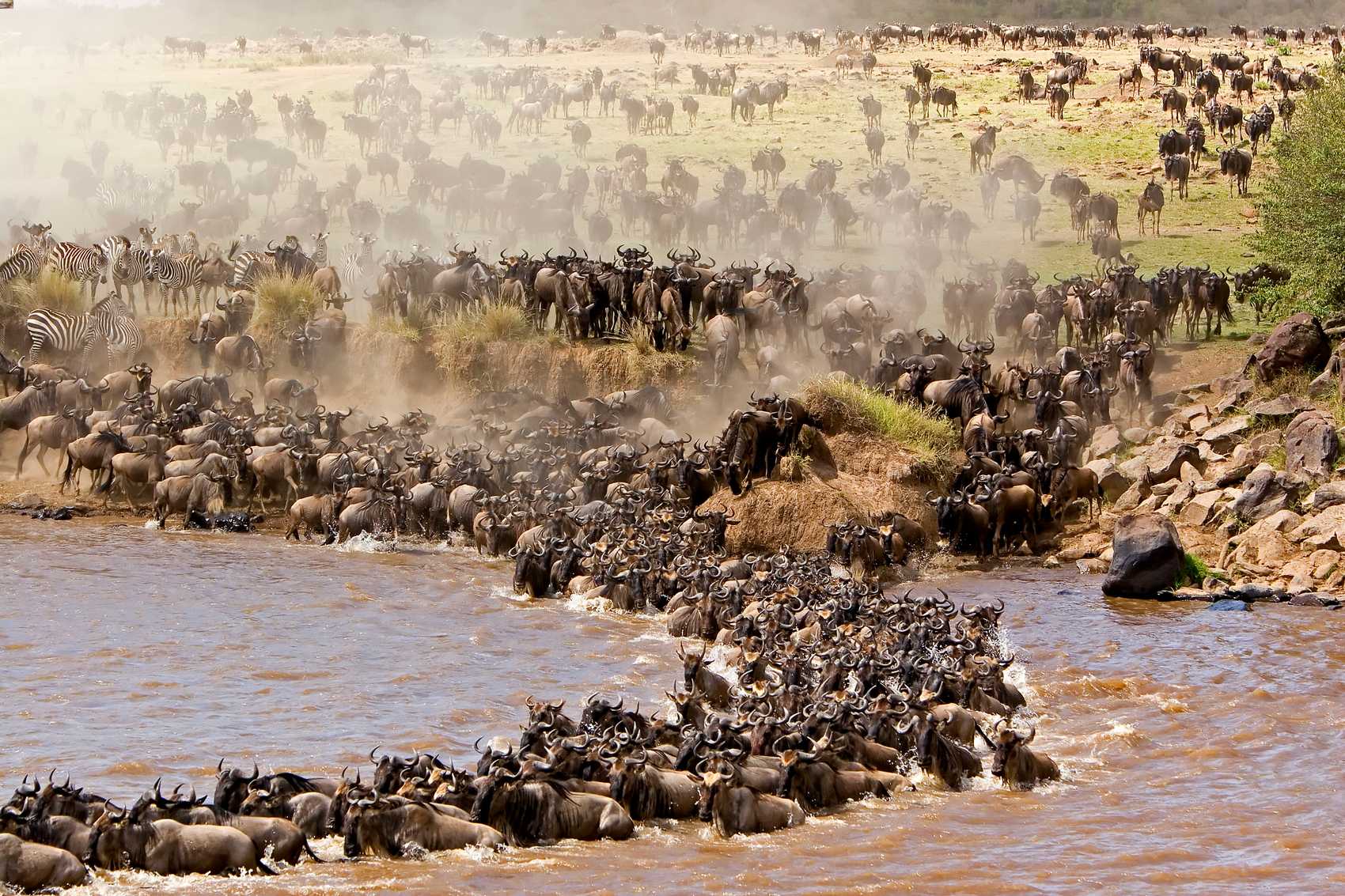
3–4 nights in the north, July–October
Great Migration river crossing
Positioned at Kogatende or a northern concession for the Mara River — the most requested safari theatre in East Africa, with a brief that crossings are never guaranteed.
Tanzania destination →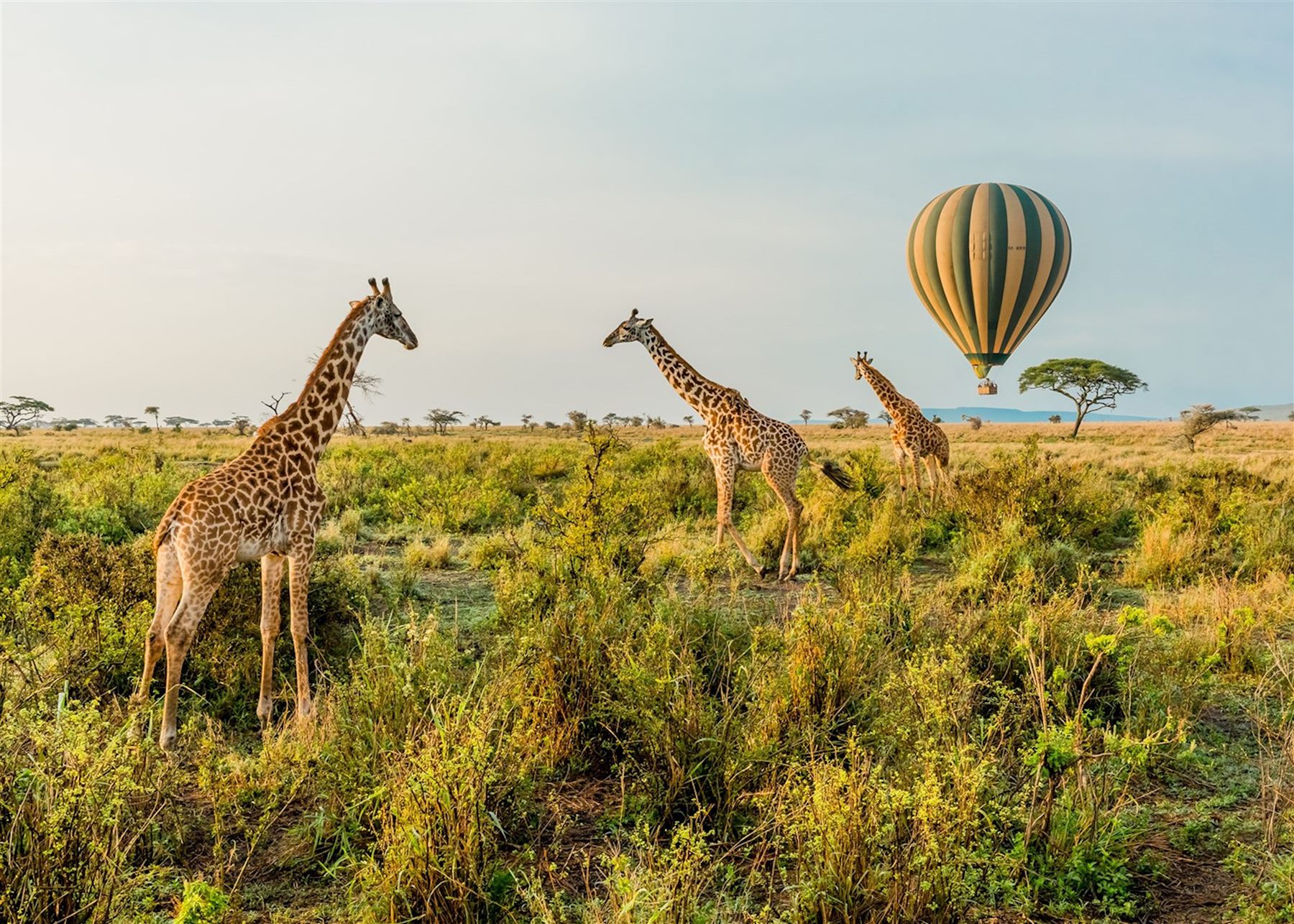
Sunrise morning
Serengeti balloon and bush breakfast
A champagne breakfast in the plains after a dawn flight — the single most reliable ‘I cannot believe they did this’ moment on a Tanzania incentive.
Tanzania destination →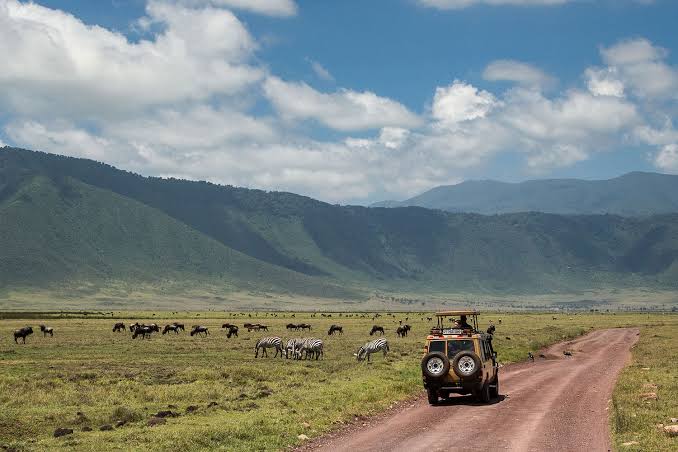
Full day
Ngorongoro Crater, timed and private
A UNESCO caldera with the highest wildlife density most guests will ever see — executed with descent windows, picnic permits, and no cattle-convoy feeling.
Tanzania destination →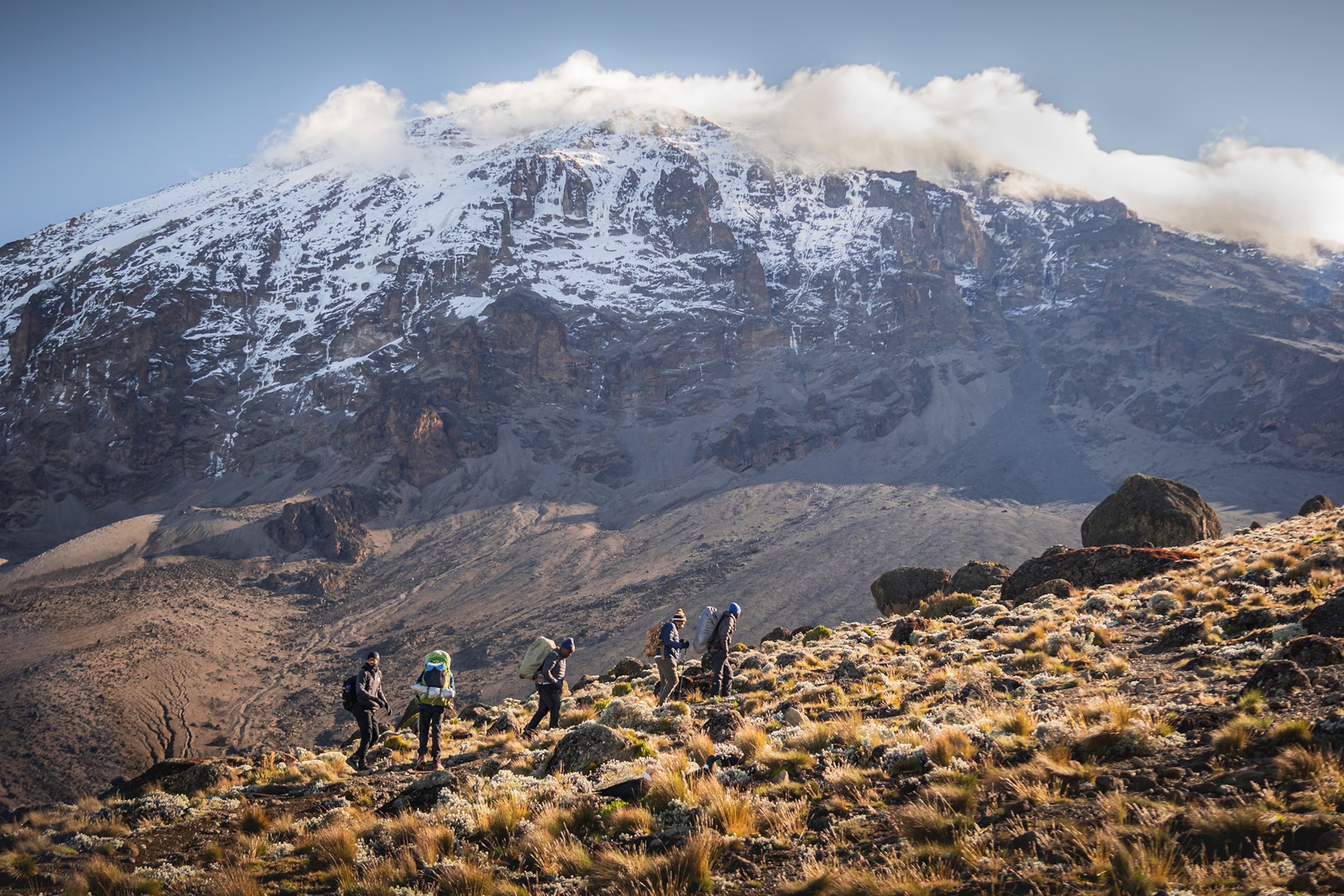
7–9 days on the mountain
Kilimanjaro by Lemosho or Northern Circuit
Uhuru Peak at 5,895 m from Moshi: 8-day Lemosho or 8–9 day Northern Circuit, KINAPA as a logistics line, and a hotel night that is not a mess tent. We do not sell a 5-day Marangu as the corporate product.
Tanzania destination →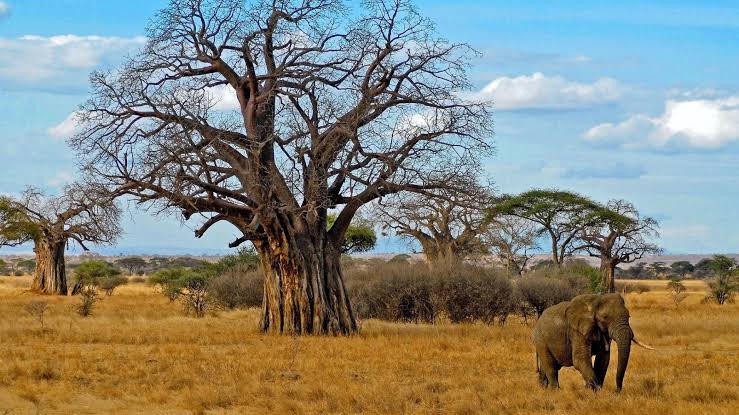
1 night, or a full day from Arusha
Tarangire baobabs and elephants
Elephant country and monumental baobabs — the first or last safari night when Arusha–Serengeti air is tight, or a lighter chapter for jet-lagged groups landing at Kilimanjaro.
Tanzania destination →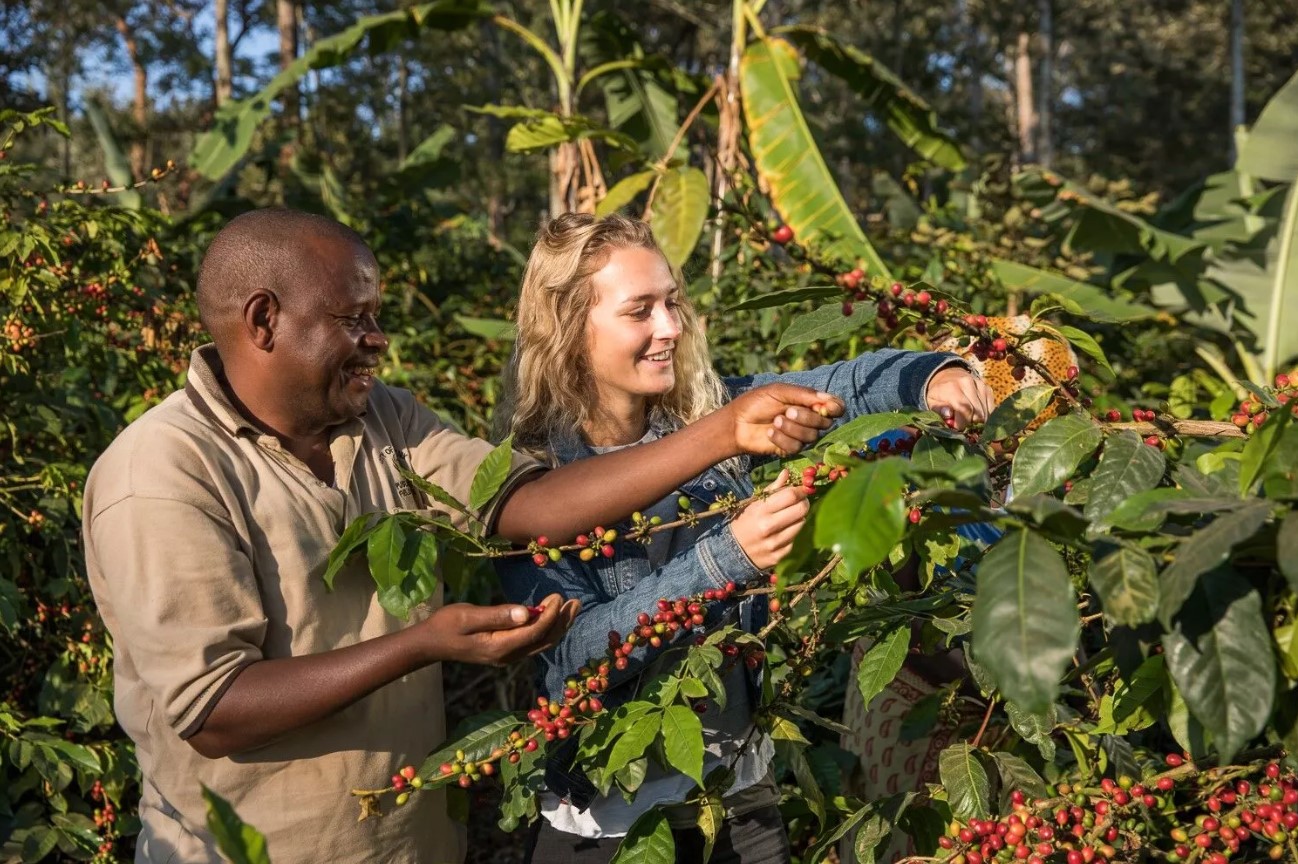
Half day
Arusha coffee and city
Coffee estate, a measured look at a working East African city, Cultural Heritage only if the brief wants it — the meetings-first morning before safari, or the recovery loop after Kilimanjaro.
Tanzania destination →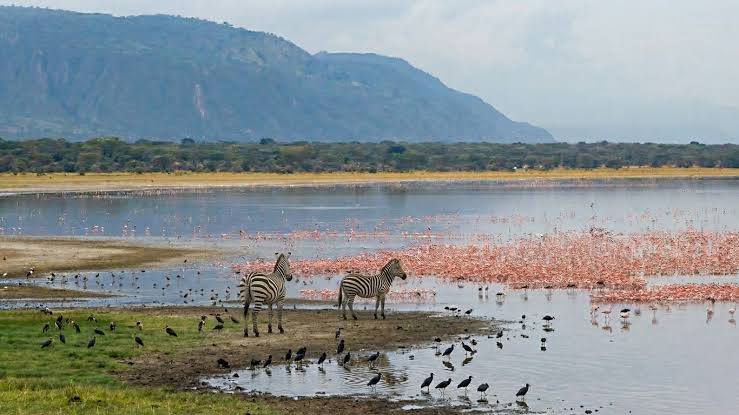
Half day, between Arusha and Ngorongoro
Lake Manyara escarpment
A compact Rift park — groundwater forest, hippo pools, escarpment views — used as a timed add-on between Arusha and Ngorongoro, not as the headline safari.
Tanzania destination →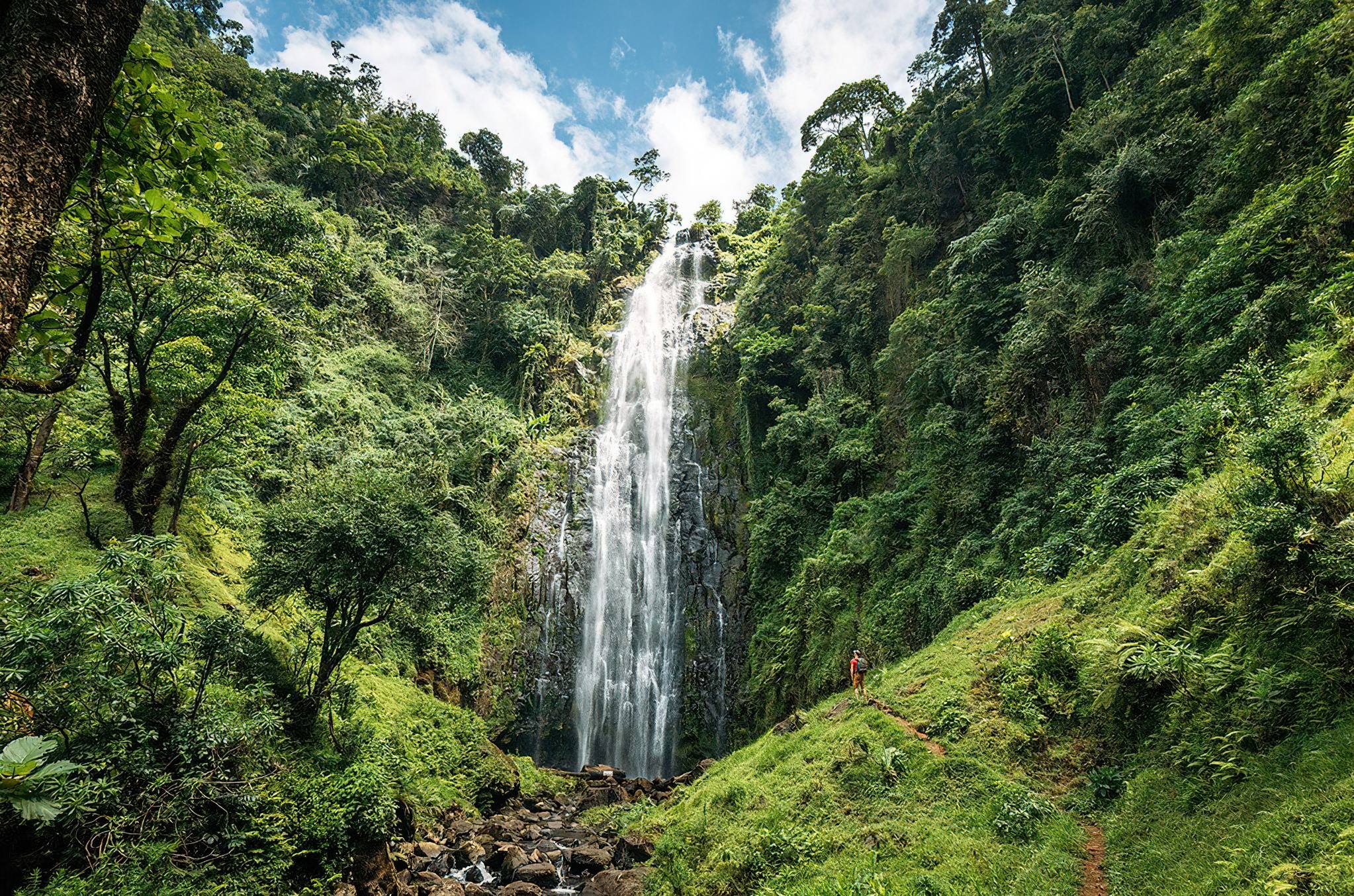
Full day from Moshi
Materuni and the Chagga foothills
Materuni waterfall, Chagga coffee, Chemka hot springs or a forest-gate walk that stops where the mountain starts — the twin track for non-climbers, spouses, or a one-night Kilimanjaro photograph without a week on the hill.
Tanzania destination →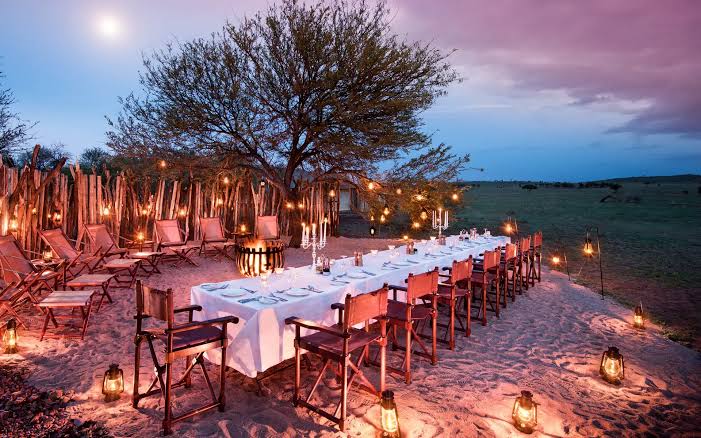
Evening
Serengeti bush dinner
A fireside or lantern dinner on the plains, with a tented backup and an honest weather call. The awards night that belongs in camp — not on the night the group landed from Kilimanjaro.
Tanzania destination →Weather & when to go
July–October for classic migration incentives; February–March for calving and photography; June and November for value without sacrificing wildlife. Kilimanjaro climbs follow the same dry windows — late June–October and January–early March — with extra nights for acclimatisation, not a shorter route.
Incentives: Lock northern Serengeti or Grumeti for July–October at least a year ahead. Shoulder months deliver better availability at Four Seasons and crater-rim lodges. Climb groups book KINAPA and Moshi rooms when the list is approved, not six weeks out.
Meetings: Year-round in Arusha. Avoid Easter week and late April if you need guaranteed crater access. Moshi hotels can take a small board, but a 100-person plenary still belongs in Arusha.
| Season | Months | Planner notes |
|---|---|---|
| Dry / peak safari | June – October | Cool mornings, clear skies, excellent game viewing. Migration in the north from July. Highest lodge demand — contract 12–18 months out for incentives. Prime Kilimanjaro climb window: driest trails, coldest summit nights, busiest Machame and Marangu gates — we prefer Lemosho or Northern Circuit in this season. |
| Short rains | November – December | Afternoon showers, dramatic skies, lower rates. Still very workable for meetings and smaller incentives. |
| Green season / calving | January – March | Southern Serengeti calving is a photography gift. Warm, mostly dry in January–February; long rains threaten from late March. Second Kilimanjaro climb window (January–early March): warmer nights than July, still workable on Lemosho and Rongai. |
| Long rains | April – May | Lush, quiet, some seasonal camps close. Use only for flexible executive groups with a rain plan and Arusha/Zanzibar fallback. |
Weather, demand and whether we would actually brief a Tanzania MICE file that month.
| Month | MICE suitability |
|---|---|
| January | Warm, mostly dry. Southern Serengeti calving starts; second Kilimanjaro climb window. Good photography incentives. |
| February | Calving peak in the south. Warm days, workable roads. Strong for photography groups; still book crater vehicles. |
| March | Calving continues into early month; long rains threaten late March. Last comfortable climb window before April. |
| April | Long rains. Lush and quiet; some seasonal camps close. Use only for flexible EXCO with an Arusha rain plan. |
| May | Long rains continue. Poor first crater morning and a poor first Kilimanjaro. Keep programmes in Arusha or move to Zanzibar. |
| June | Dry season opens. Value without losing wildlife. Start of the prime Kilimanjaro window; trails drier, nights colder. |
| July | Peak safari. Migration moving north. Highest lodge demand — this is a 12–18 month hold. Coldest summit nights. |
| August | Peak continues. Northern crossings possible; not a promise. Busiest Machame and Marangu gates — we prefer Lemosho. |
| September | Still peak. Clear skies, cool mornings. Excellent incentive month if inventory was held. Crater congestion needs timed descents. |
| October | Peak tail. Northern herds, high demand. Last month we treat as classic dry-season safari without a rain appendix. |
| November | Short rains. Afternoon showers, dramatic skies, better availability. Workable for meetings and smaller incentives. |
| December | Short rains and festive demand. Still operable; build a shower plan and do not sell a dust-free crossing. |
Flights & access
JRO
Kilimanjaro International
Primary international gateway for northern safari groups and Kilimanjaro climbs — about 40–45 min to Moshi, 50–60 min to Arusha
DAR
Julius Nyerere International, Dar es Salaam
Commercial capital; useful for south/coast combinations
ARK
Arusha Airport
Domestic safari charters and scheduled hops to Serengeti airstrips
ZNZ
Abeid Amani Karume, Zanzibar
Beach finale — treat as its own destination page
United Kingdom & Europe
KLM Amsterdam–Kilimanjaro; Qatar via Doha; Turkish via Istanbul; Edelweiss seasonal; Ethiopian via Addis
KLM remains the most reliable single-connection pattern for UK and Benelux groups. Build a 3–4 hour Arusha buffer before the first safari flight.
United States & Canada
Typically JFK/EWR/IAD/YYZ via AMS, DOH, IST or ADD, then JRO
Overnight+1 arrival is standard. Never schedule a crater descent on landing day for transatlantic groups.
Middle East
Qatar Doha–DAR/JRO; Emirates Dubai–DAR; flydubai seasonal
Excellent for Gulf incentive houses. Evening arrivals into DAR pair well with a Zanzibar or Arusha night.
India & Asia
Qatar, Emirates, Ethiopian, Kenya Airways via NBO; some DAR wide-body capacity
Delhi/Mumbai groups often prefer DAR then a scheduled hop to Arusha or Zanzibar.
South Africa
Kenya Airways or Ethiopian via NBO/ADD; some DAR connections from JNB
Johannesburg groups often stage in Nairobi overnight, then JRO or a safari hop. Same-day JNB–safari is only for early KQ connections with a buffer.
Latin America
Typically GRU/EZE/BOG/MEX via Europe (AMS/CDG/LIS) or the Gulf (DOH/DXB), then JRO or DAR
Build two recovery nights before a crater descent. Treat Tanzania as a 7-night minimum from Latin America.
Scheduled light aircraft (Air Excel, Regional Air, Coastal, Auric) and private Cessnas/King Airs link Arusha to Seronera, Kogatende, Grumeti, Manyara and Zanzibar. We pad 90 minutes at Arusha Airport and never stack more than one weather-sensitive hop on arrival day. Climb groups land JRO and transfer to Moshi — Machame, Marangu and Londorossi (Lemosho/Northern Circuit) gates are road mornings from the hotel, not a same-day inbound.
Lock northern Serengeti or Grumeti a year out for July–October. Shoulder months (June, November, February) still need early holds at Four Seasons and crater-rim houses. Do not brief a migration crossing as a guarantee.
City and Arusha meetings: 6–12 months. Peak safari incentives (July–October northern Serengeti, crater rim): 12–18 months. Kilimanjaro KINAPA and Moshi rooms: as soon as the climb list is approved.
There is no honest single Tanzania MICE rate. Cost follows season, lodge tier, internal air, park fees, whether you are buying a camp or a split, and whether Kilimanjaro is on the list. Send headcount and a band; we return an itemised stack.
Stays
A featured set we brief for MICE. The full inventory — size, amenities and airstrip access — lives on the stays page. Availability on request.
Safari lodge · meetings capable
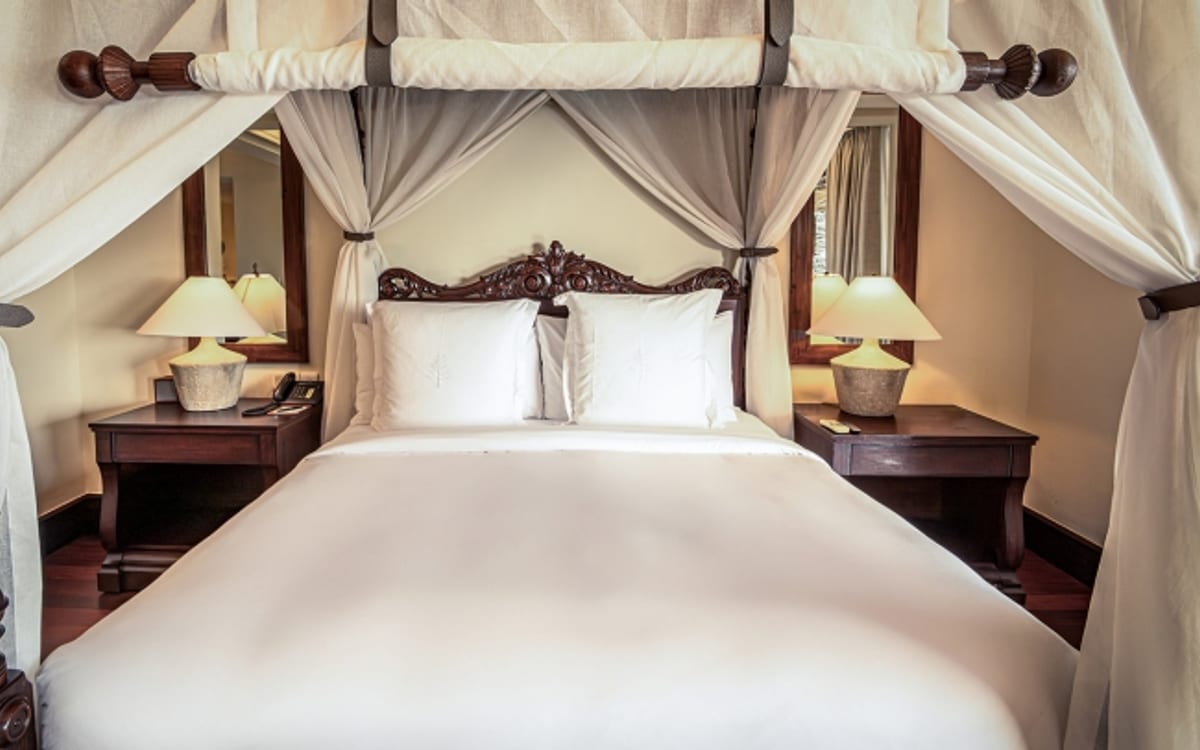
Four Seasons Safari Lodge Serengeti
Central Serengeti, Tanzania
The Serengeti lodge we use when the incentive list needs hotel-scale beds in the bush: 77 keys (60 rooms, 12 suites, 5 villas), 150 guests on double occupancy (75 single). Indoor meeting space is 253 m² — Discovery Centre classroom 20 / reception 50, TV Lounge classroom 40. That is a working session, not an 80–120 plenary. True large conferences still belong in Arusha.
Amenities
Serengeti Kani Spa (6 treatment rooms) · Infinity pool overlooking the watering hole · Kula's, Boma Grill, Sundowner Bar, Maji Bar, The Vineyard · Discovery Centre, boardroom and outdoor meeting pit · Kijana Klub / family programme · Complimentary premium Wi-Fi
Stay page →
Ultra-luxury safari lodge
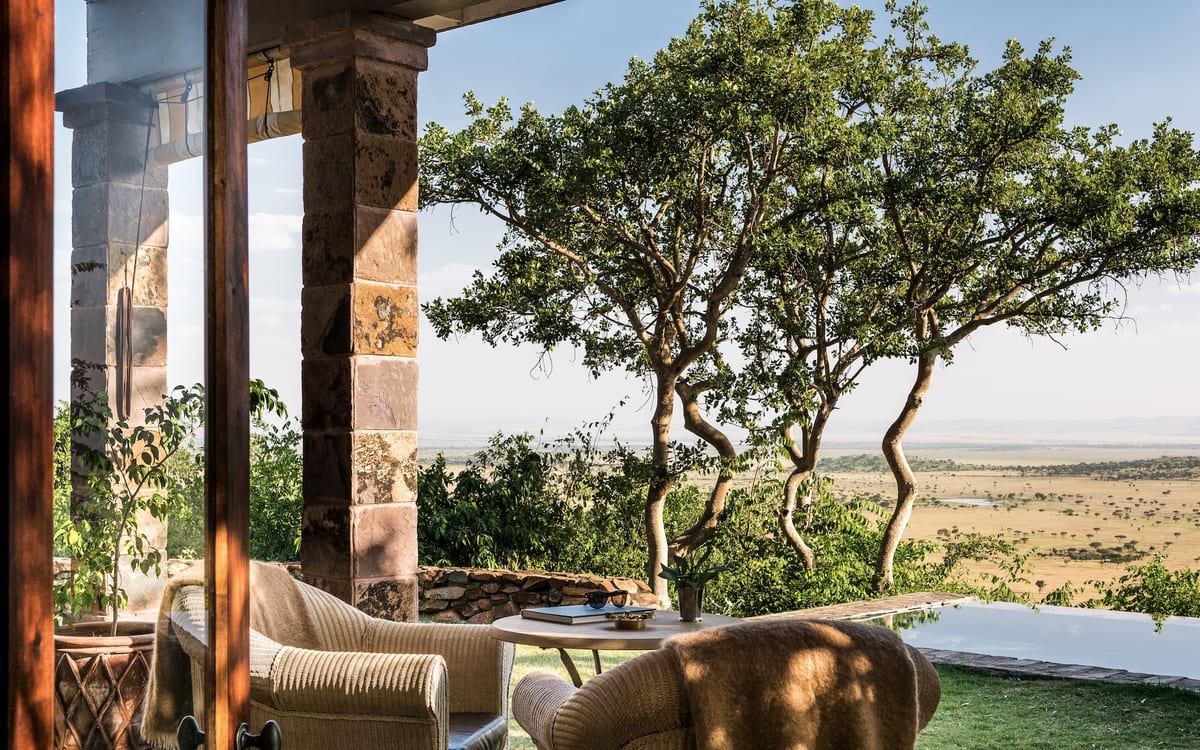
Singita Sasakwa Lodge
Grumeti, western Serengeti
Edwardian-style grandeur on a private Grumeti concession — 10 cottages plus a Hillside Suite, director-level incentives, not mass awards. Pair with Faru Faru or Sabora when you need a few more rooms in the same story.
Stay page →
Crater-rim lodge · closed until 2027
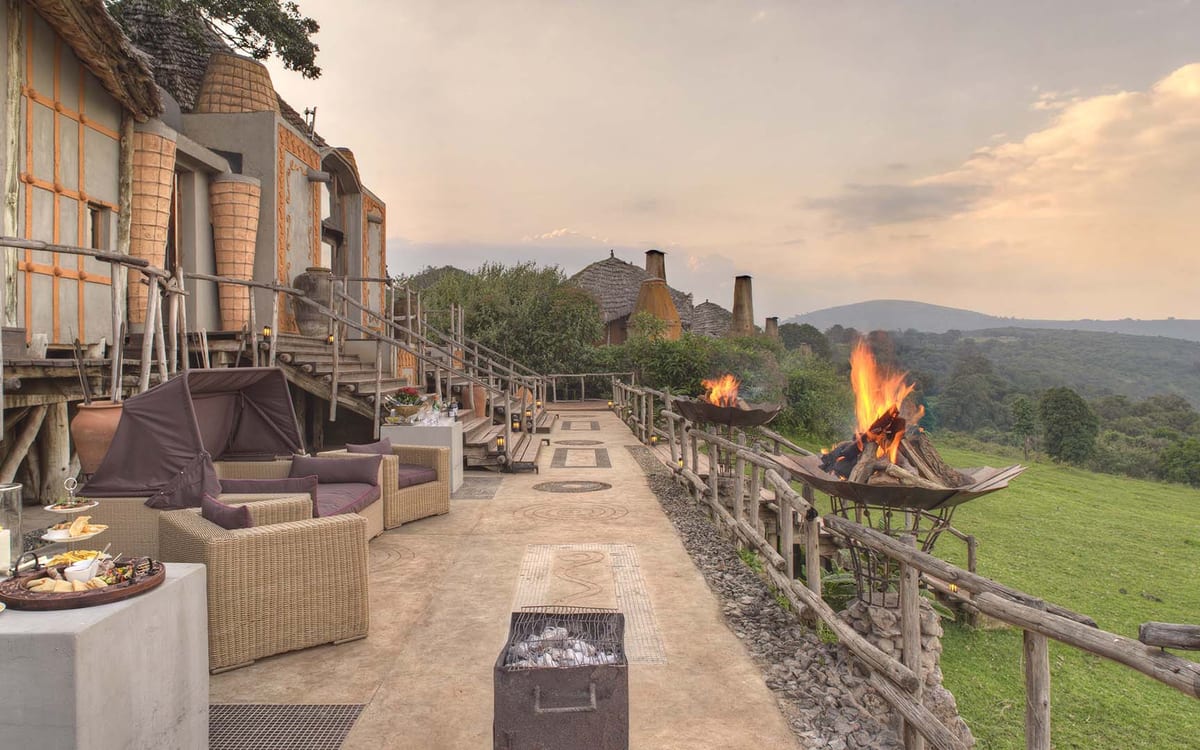
&Beyond Ngorongoro Crater Lodge
Ngorongoro Conservation Area
Temporarily closed for an extensive rebuild. &Beyond says the lodge will reopen in 2027. We will not contract it as live inventory before then.
&Beyond’s official site: temporarily closed for an extensive rebuild, scheduled to reopen in 2027. Do not put it on a 2026 rooming list. Pre-rebuild inventory was 30 suites across three camps — that figure is historical, not live. For crater nights now we use The Manor, Meliá Ngorongoro, Serena or Crater’s Edge.
Stay page →
Private reserve lodge
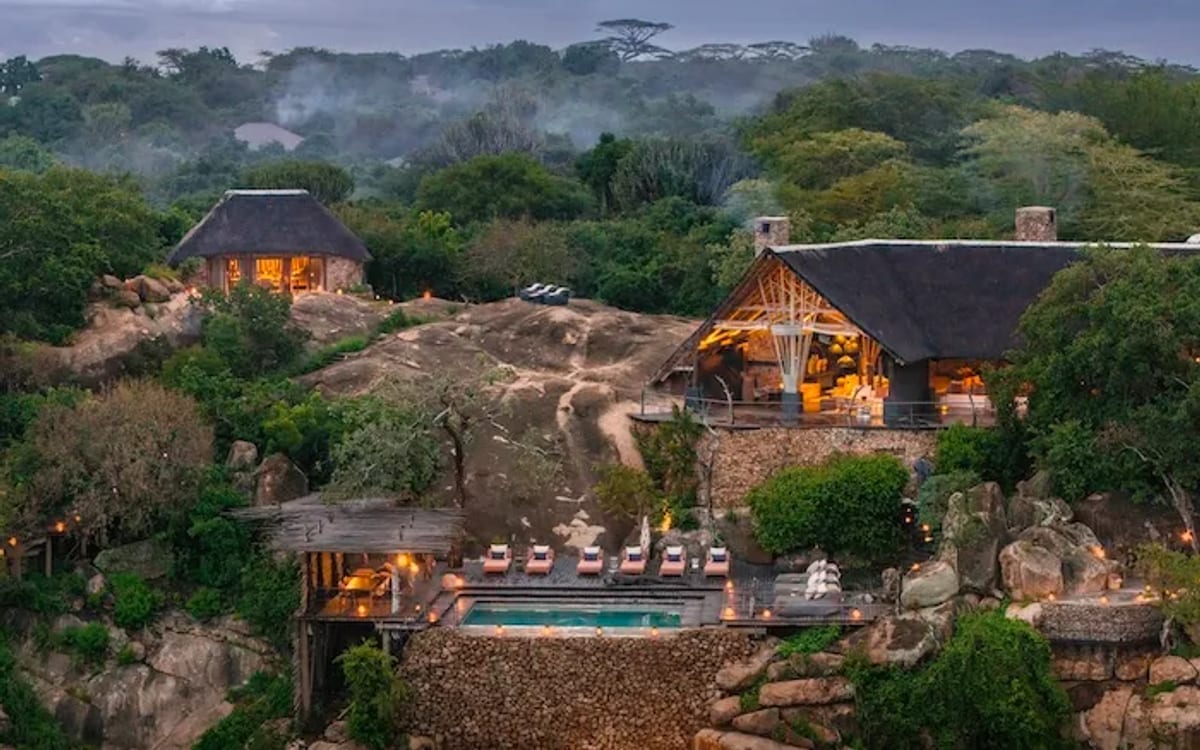
Mwiba Lodge
Mwiba Wildlife Reserve, southern Serengeti ecosystem
A private reserve south of the Serengeti with walking, night drives and ten tented suites — exclusivity the main park cannot sell. Strong for 12–24 leadership guests.
Stay page →
Design-led safari lodge
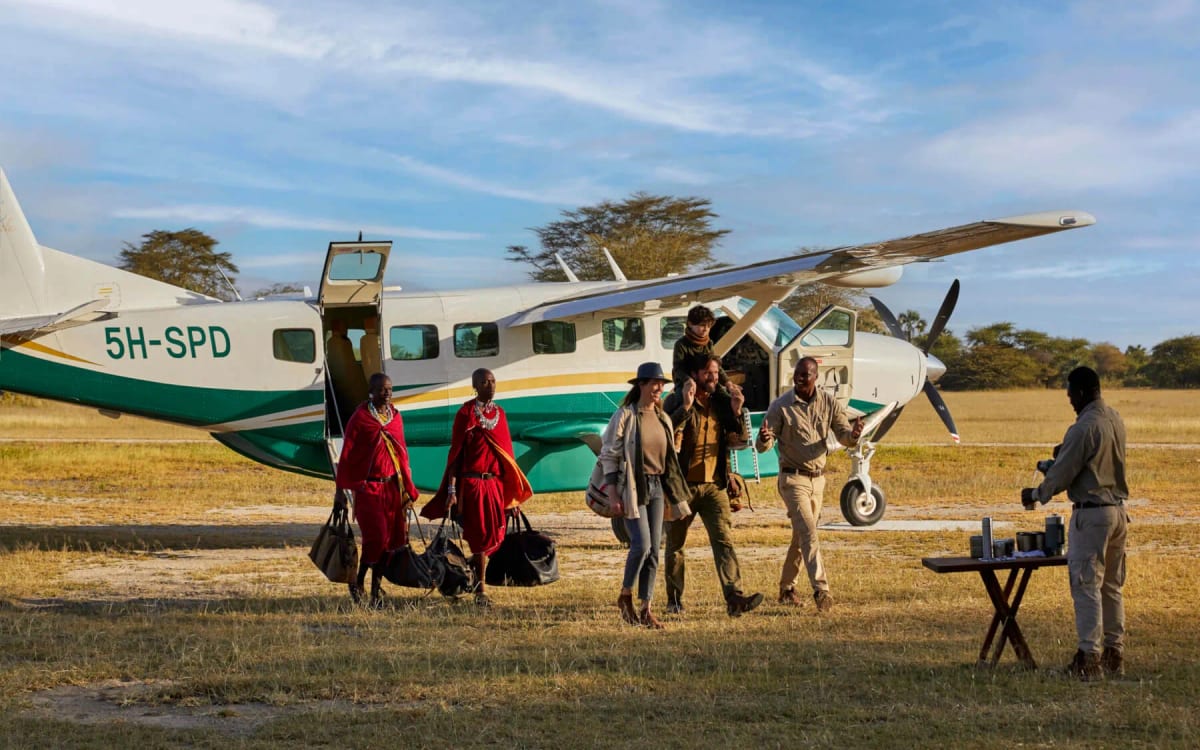
Chem Chem Lodge
Burunge Wildlife Management Area, Tarangire–Manyara
Canvas, copper and Tarangire elephants — a stylish first or last safari night for groups flying Kilimanjaro, with a conservation story that briefs well in a boardroom.
Stay page →
City five-star · meetings
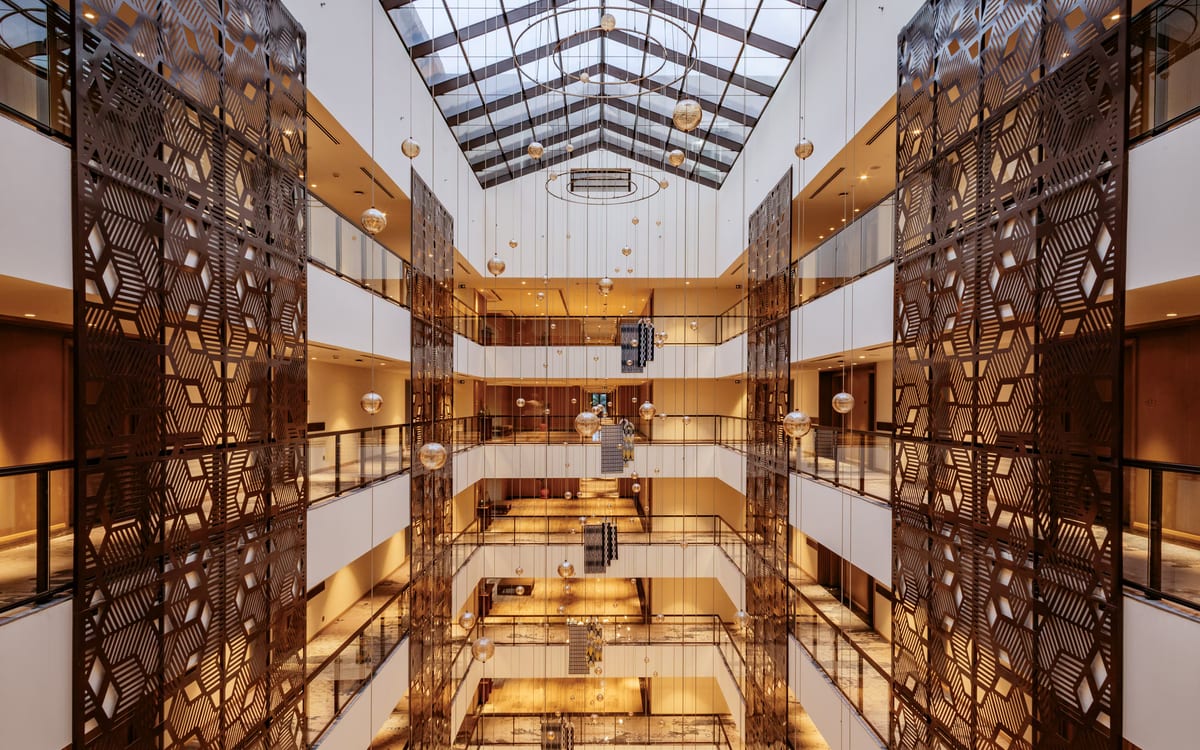
Gran Meliá Arusha
Simeon Road, Arusha city
The Arusha arrival hotel we specify when the group needs meeting rooms, a spa and a Mount Meru view before the northern circuit. RedLevel suites for the top of the rooming list.
Amenities
Infinity pool · Spa and gym · Rooftop bar · Meeting rooms and business centre · Three restaurants · RedLevel butler service · Wi-Fi
Stay page →
Sample programme
Day 1
Meet-and-greet, private transfer, light lunch, briefing, early night. Optional coffee estate for early arrivals.

Day 2–4
Scheduled or private flight, game viewing, one balloon morning for a VIP split, fireside awards dinner.
Day 5
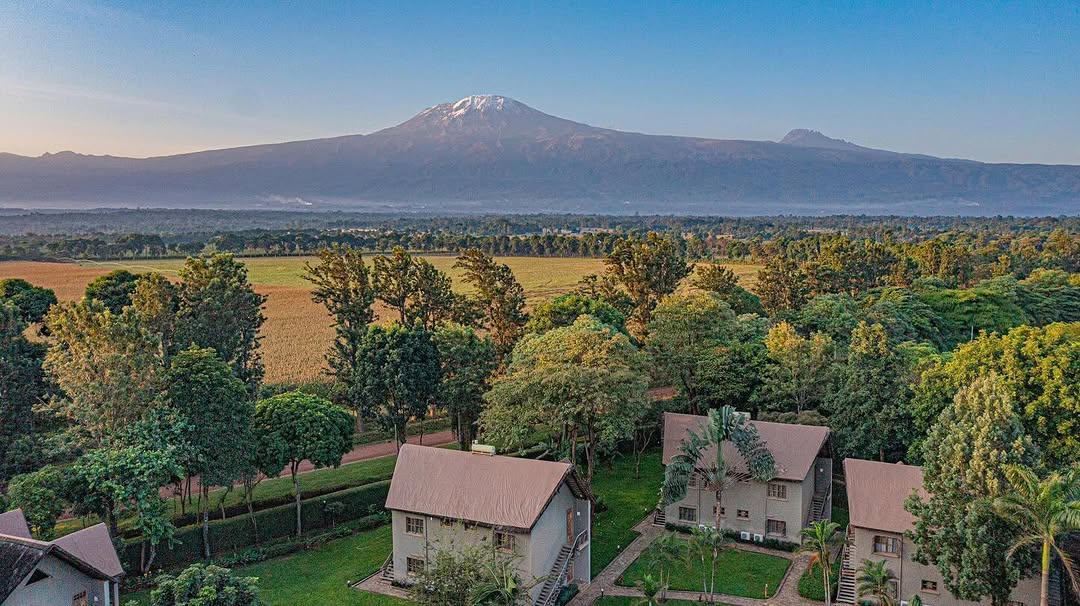
Crater floor with private picnic, rim sunset, crater-lodge gala.

Day 6
Most incentive groups continue to Zanzibar for three beach nights. Meeting groups may reverse the order and hold the board session in Arusha first.
Sample itineraries
6 nights · 7-day outline
Kilimanjaro arrival, Serengeti or Ngorongoro, then a Zanzibar finale. The classic East Africa incentive arc: bush, then Indian Ocean recovery. Three beach nights is the professional minimum after safari.
16–80 qualifiers (split camps if over ~40)
7 nights · 8-day outline
Kenya first for Wilson access, then a coordinated Isebania road crossing or a fly-over via Arusha. We do not invent the border on the morning. Migration months still need a year of lodge lead time on both sides.
12–40 (split camps)
8 nights · 9-day outline
Kilimanjaro, Serengeti or Grumeti, then Kigali and a trek. Connect via NBO or a designed regional hop. Permits first. Eight nights so the crater-or-plains chapter and the forest chapter both get a sleep.
8–24
8 nights · 9-day outline
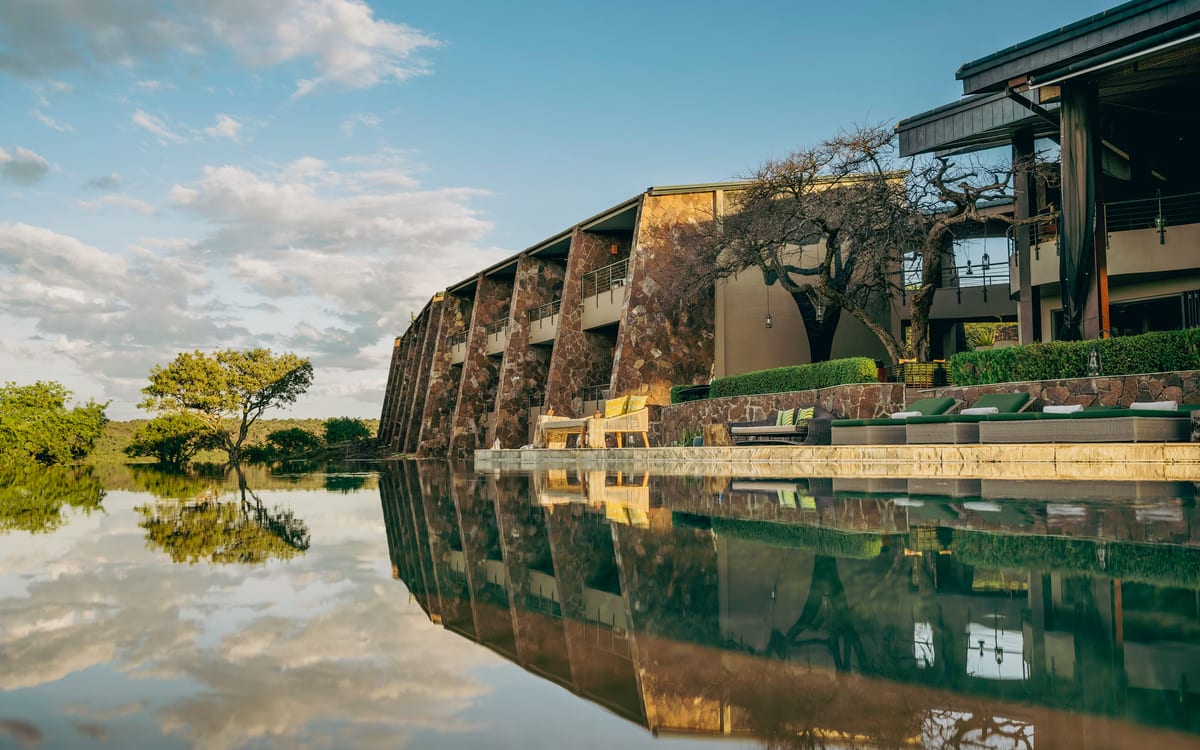
Northern circuit or Serengeti flagship, then EBB and Bwindi. Yellow fever on the passport checklist. Lodge split in the forest if the list is over one camp. We fly; we do not invent a 12-hour road.
8–20
8 nights · 9-day outline
Arusha, timed crater descent, rim lodge, then Kigali and Volcanoes. Vehicle limits on the crater are a logistics item. Trek the day after KGL, never the same afternoon as Kilimanjaro metal. A second Tanzania–Rwanda shape when the brief is crater, not migration.
8–24
8 nights · 9-day outline
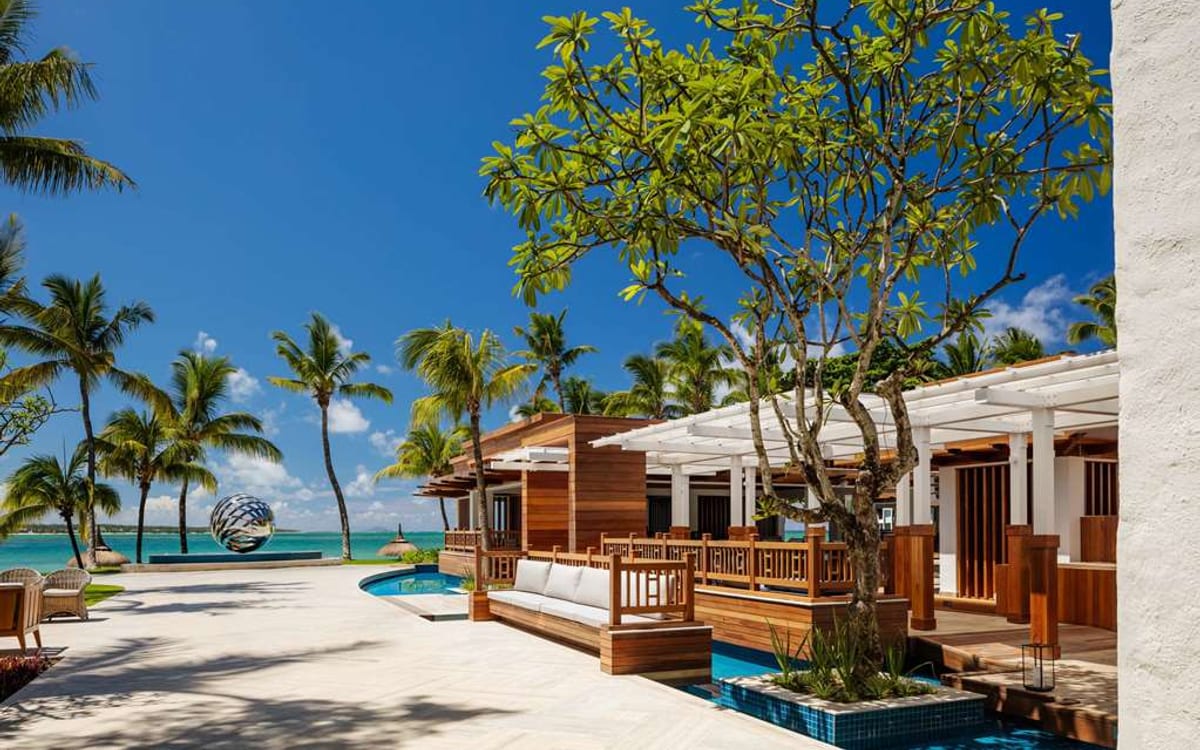
Northern safari, then a full travel day to MRU. Four island nights. Do not gala on ADD-or-NBO connection night. Mauritius does the scale Four Seasons Serengeti cannot on a 200-person awards list.
16–60 (split Tanzanian camps)
8 nights · 9-day outline
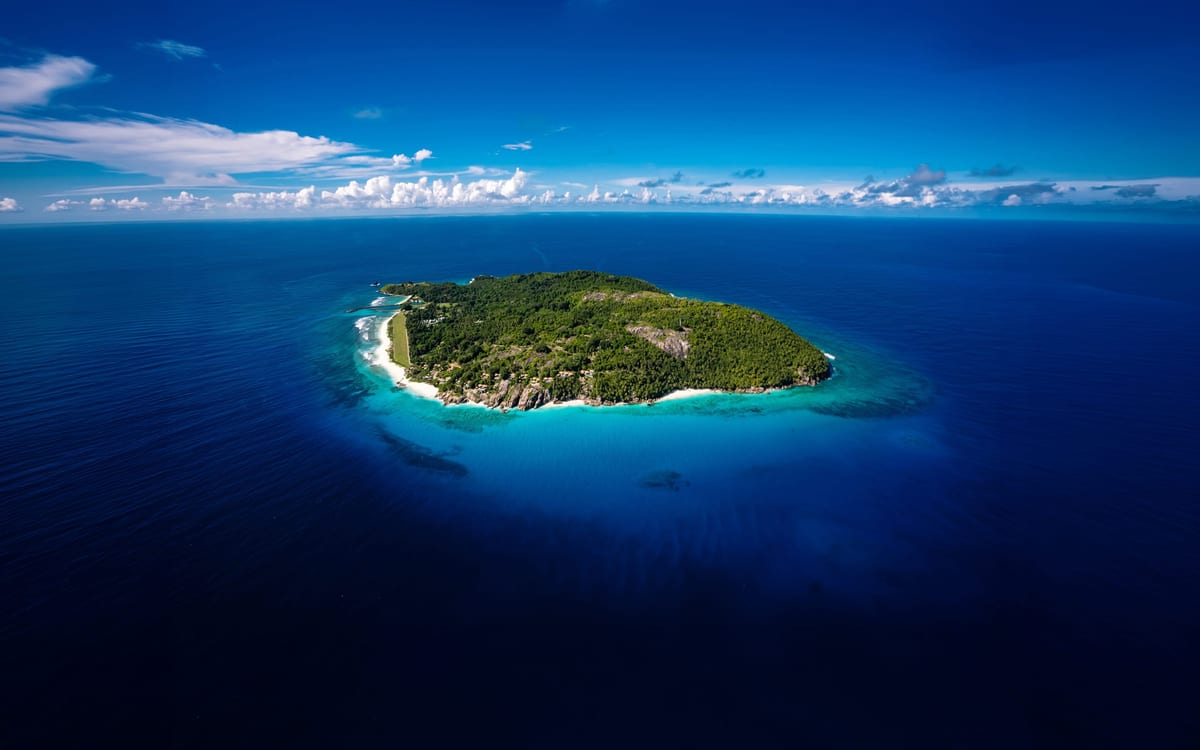
Safari chapter out of JRO, then SEZ. Inner-island resort unless the room count is a private-island buy-out. Swell and luggage limits in the first ops note. Eight nights so Mahé is not a layover with a beach photo.
12–40
6 nights (9 with optional Zanzibar extension) · 11-day outline
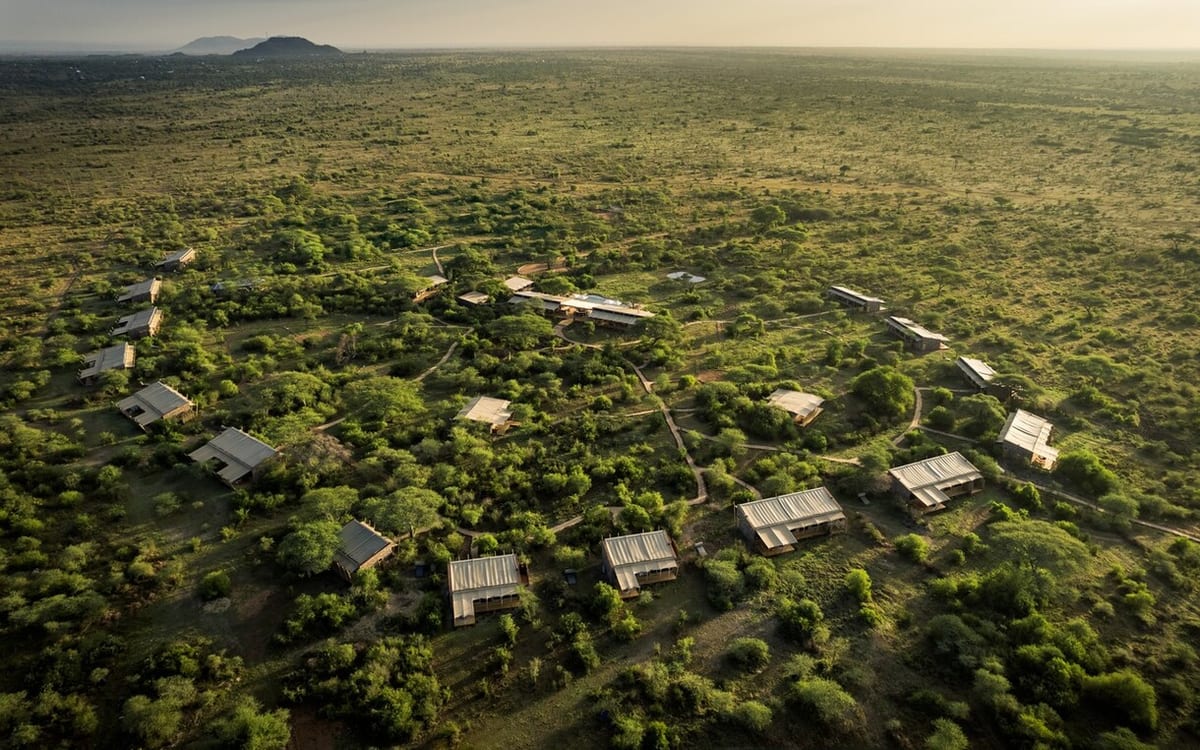
An Arusha working morning for slide-heavy content, then a Fort Ikoma hop to Mapito Safari Camp for a camp buy-out: butler service, all-inclusive private game drives, Boma dining and a closed leadership table in the two-bedroom villa. Optional three-night Kilindi Zanzibar extension on the north-west coast — fifteen pavilion suites with private plunge pools and dedicated butlers, matched to the same 8–16 leadership scale. Built for corporate travel buyers who want Marriott Bonvoy alignment and western Serengeti wildlife, with Indian Ocean recovery that is not a 200-room resort.
8–16 executives
4 nights · 5-day outline
Kilimanjaro arrival, one Arusha recovery night, Serengeti game viewing, a timed Ngorongoro descent, then home. Built when the diary cannot stretch to a six-night safari-and-sand arc — and when the photograph still has to be Tanzania.
8–40 (split lodges above ~24)
Multi-country
Tanzania is the natural first chapter of a multi-country file: land JRO or DAR, safari inland, then continue. One DMC, one rooming list, one visa matrix — the East Africa Tourist Visa does not include Tanzania.
Also operate in Zanzibar
DMC ZanzibarThe standard incentive close: three beach nights after the crater. Treat Zanzibar as its own destination, not a Tanzania annex.
Also operate in Kenya
DMC KenyaMara–Serengeti trans-border safari when the brief wants both names and you have the nights.
Also operate in Rwanda
DMC RwandaGorilla hour after or before the savanna — not the same week as Uhuru.
Also operate in Mauritius
DMC MauritiusIndian Ocean finale after safari. Build a full travel day; no gala on the hop.
Next step
Company, group size, dates and Tanzania is enough for a first outline. We reply from the same desk that writes lodge scale, permits and the operations annex.
FAQ
Serengeti Experience DMC is the ground partner for Tanzania meetings, incentives, wilderness events and retreats. We operate from Arusha: lodge scale, crater windows, internal air and Kilimanjaro are written into the annex before the welcome letter.
July–October for classic migration incentives; February–March for calving and photography; June and November for value. Arusha meetings run year-round. Avoid late April if you need a guaranteed crater descent.
A working session of 80–120 can sit in a large bush lodge. A 200-delegate plenary or exhibition belongs in Arusha or on the coast. We will not invent AV in a six-tent camp.
Intimate camps: 8–24. Single large lodge: up to about 75 single / 150 double. Split-camp incentives: 100+ with staggered game drives. Climb cohorts: 8–16, never the full qualifier list.
Yes, with split lodging (for example Four Seasons plus a nearby camp) and staggered activities. A single-camp buy-out is usually 20–70 guests depending on the property.
Moshi is the climb town — closer to JRO and to Machame, Marangu and Lemosho trailheads. Arusha is the safari and meetings town. We put climbers in Moshi (Kilimanjaro Wonders, Weru Weru, Salinero, Keys) and safari groups in Arusha unless the programme is a single JRO night before Wilson-style hops from ARK.
No technical climbing: no ropes, no glacier travel as the product. The mountain is a high-altitude trek. Summit night is long, cold and slow. Guests who have never walked six hours with a daypack should not be on the rooming list. We default to 8-day Lemosho or 8–9 day Northern Circuit so acclimatisation is built in.
Lemosho 8 days is the all-round corporate default: west-side scenery, fewer early crowds, strong climb-high sleep-low. Northern Circuit 8–9 days is the quietest and statistically the kindest to summit odds. Machame 7 days is the scenic classic if the diary will not give an eighth night — not the 6-day squeeze. Marangu’s huts are not a shortcut; the 5-day version has the weakest acclimatisation profile on the mountain. Rongai if you want the north and drier weather. Umbwe only for people who already know what Barranco feels like.
For 8–16 who will train and sign a medical form, yes — with a non-climb twin track and no gala on summit night. For 40–80 qualifiers, no: park group sizes, camp ethics and rescue do not scale like a Serengeti split-camp. Pair a small climb cohort with a safari majority, or sell Moshi plus Materuni as the ‘Kilimanjaro chapter’ without Uhuru.
Same dry windows: late June–October and January–early March. July–October is coldest on the crater rim and busiest on Machame. April–May long rains are a poor first climb and a poor first crater morning. We will not invent a summit in a closed-camp month.
Tanzania, Kenya, Rwanda, Uganda and Zanzibar require a yellow fever vaccination certificate upon arrival. We collect it with passports on the rooming list — do not leave it to the airport queue.
From 1 October 2026, qualifying foreign visitors entering Mainland Tanzania must hold designated NIC inbound travel insurance (https://inbound.nicinsurance.co.tz/), subject to EAC/SADC residency exclusions in the Regulations. Combined mainland–Zanzibar itineraries follow the first point of entry — see /journal/tanzania-mandatory-inbound-travel-insurance.
July–October for classic migration incentives; February–March for calving and photography; June and November for value without sacrificing wildlife. Kilimanjaro climbs follow the same dry windows — late June–October and January–early March — with extra nights for acclimatisation, not a shorter route.